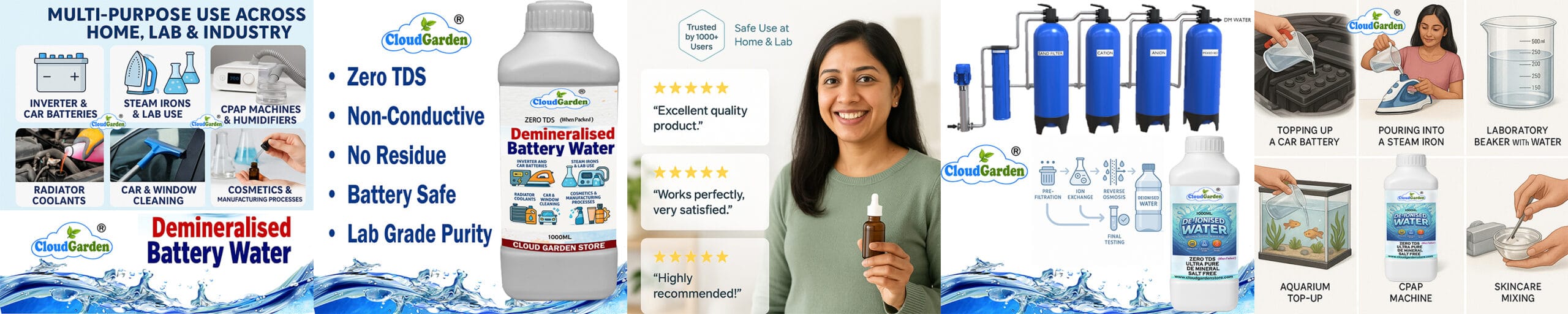

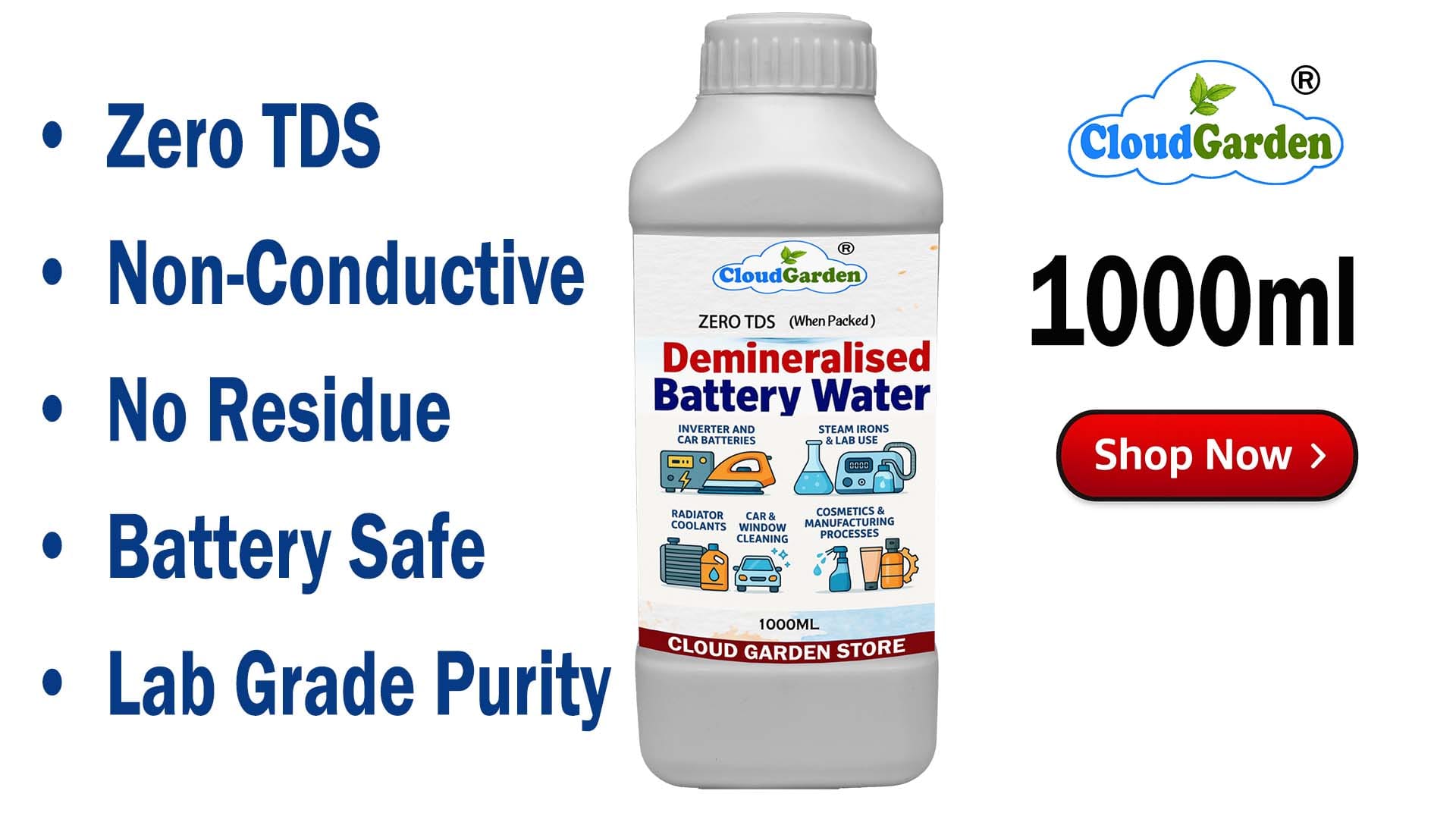
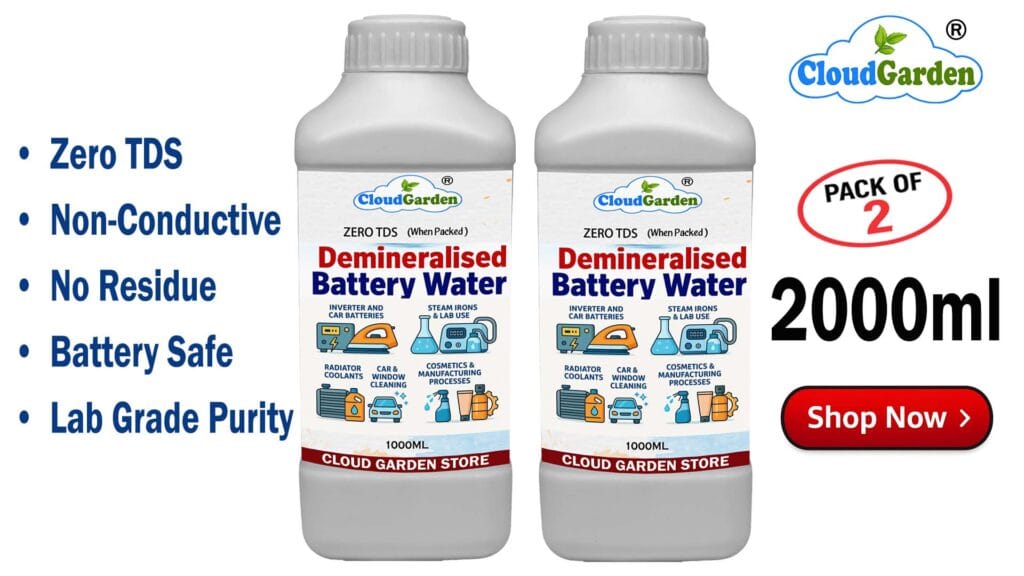
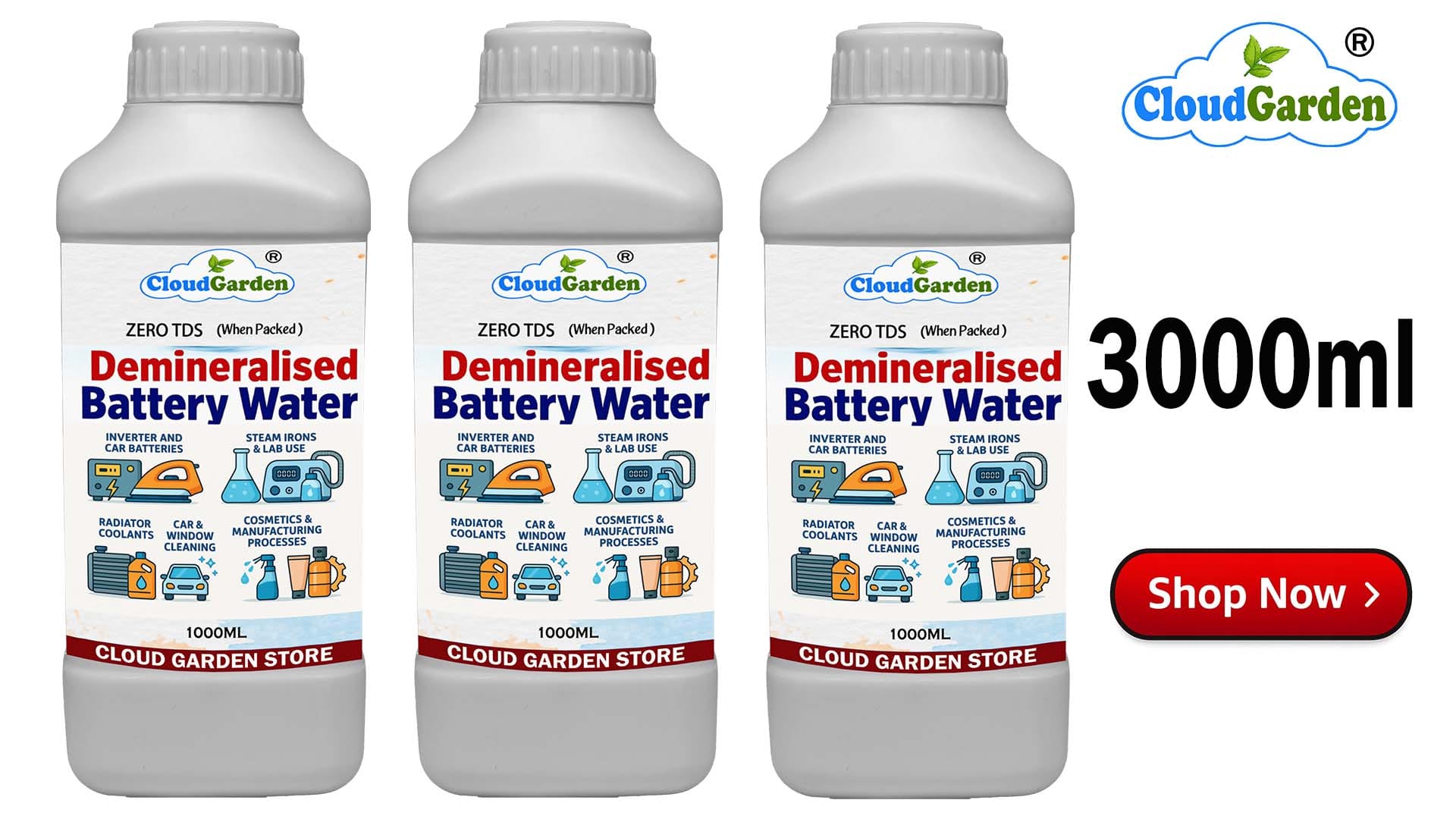
💧 Demineralised Water is a high-purity, mineral-free water produced through a controlled purification process to remove dissolved salts and minerals. It is commonly used in laboratory work, industrial processes, appliance maintenance, battery care, cleaning of sensitive equipment, and technical applications where mineral content is not required. ⚙️ Available in multiple pack sizes, this water supports consistent results in routine usage and maintenance tasks. 🚿 Intended for technical and processing use only.
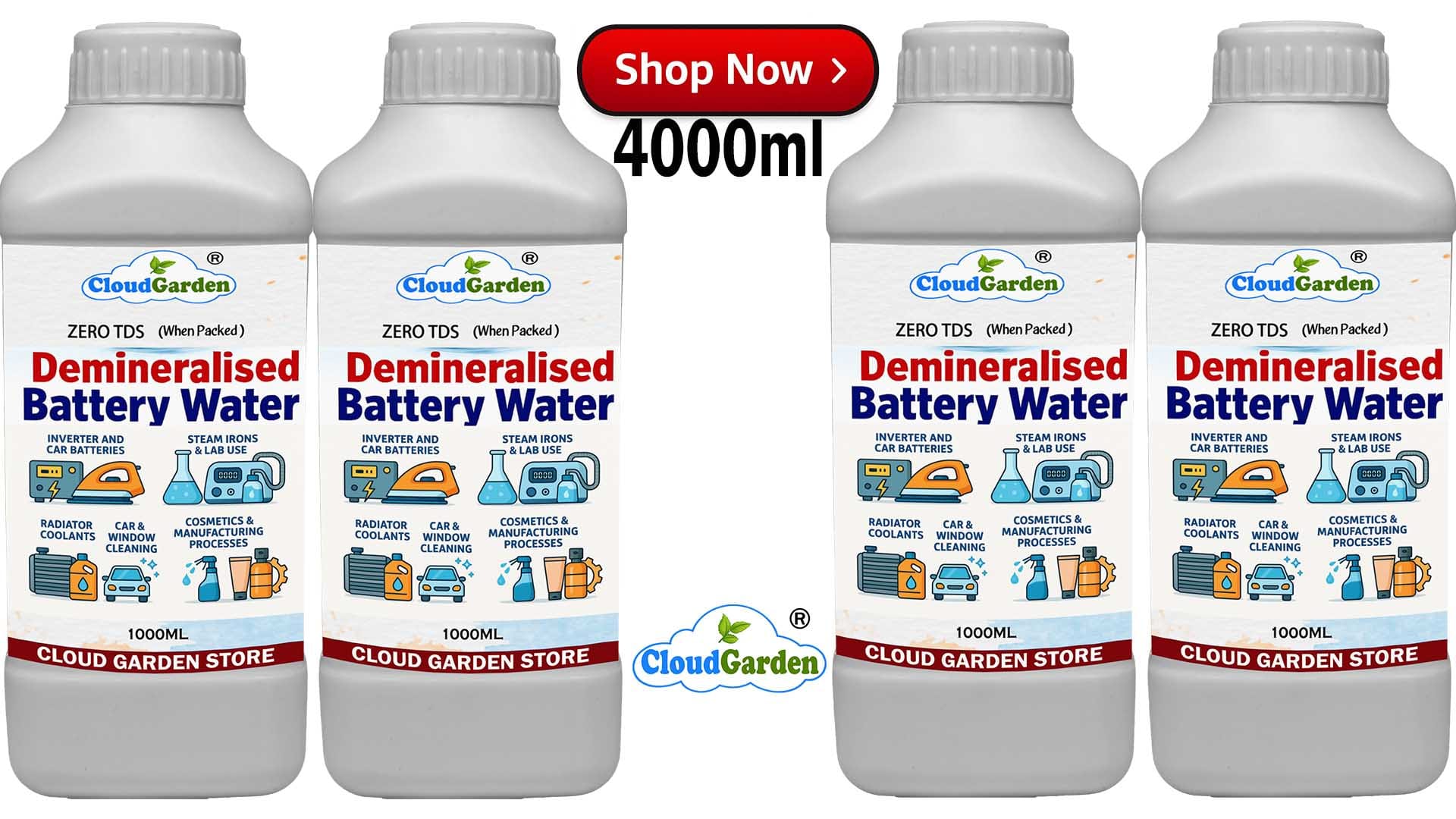
💧 Applications
- ⚙️ Laboratory testing, rinsing, and sample preparation
- 🔋 Battery topping and routine battery maintenance
- 🧼 Cleaning of sensitive equipment, tools, and components
- 🖨️ Use in printers, humidifiers, and technical appliances
- 🏭 Industrial processes requiring mineral-free water
- 🚿 Final rinse in cleaning and surface preparation tasks
📦 Storage Instructions
- Store in a cool, dry place away from direct sunlight
- Keep container tightly closed when not in use
- Avoid exposure to heat sources or contamination
- Use clean tools or dispensers while handling
- Do not transfer into unclean or previously used containers
⚠️ Do & Don’ts
- ✅ Do use only for intended technical and processing applications
- ✅ Do follow equipment or manufacturer guidelines where applicable
- ✅ Do keep away from children and pets
- ❌ Do not use for drinking, cooking, or personal consumption
- ❌ Do not mix with chemicals unless instructed for a specific process
- ❌ Do not store in open or contaminated containers
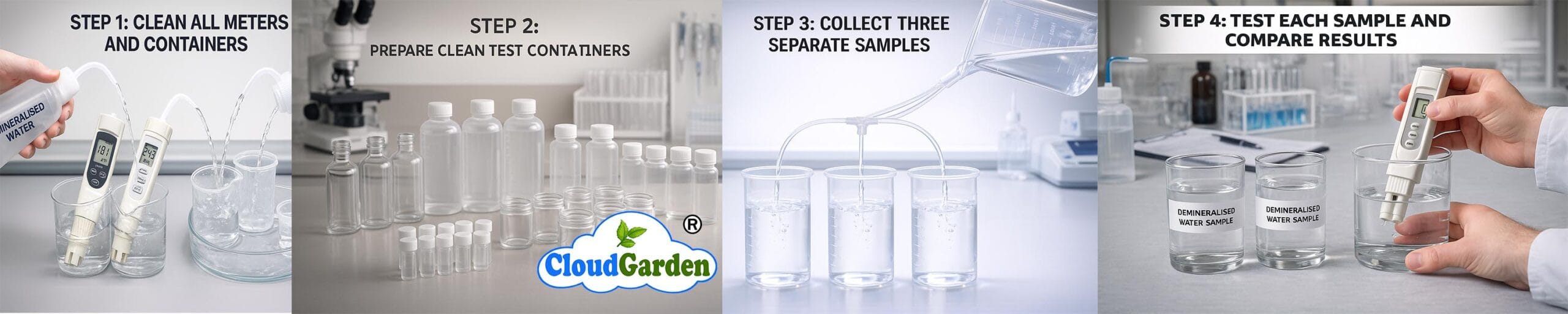
🧪 How to Test Demineralised Water
- 🧼 Clean all testing tools
Rinse conductivity meters, TDS meters, pH probes, and test containers thoroughly using the same demineralised water to avoid external mineral contamination. - 📦 Prepare clean containers
Use clean, dry containers made of plastic or glass. Avoid containers previously used for tap water or chemical storage. - 💧 Collect three separate samples
Take three individual samples of demineralised water from the container to ensure consistent testing results. - 📊 Test each sample individually
Measure conductivity, TDS, or other required parameters for each sample as per your testing device instructions. - 🔁 Compare the results
Check for consistency across all three samples. Similar readings indicate stable mineral-free water quality. - 📝 Record observations
Note down readings, test date, and equipment used for future reference or routine quality checks.
⚠️ Testing is intended for technical and process validation purposes only. Follow equipment manufacturer guidelines during testing.